

 Facebook
 X
 Pinterest
 Copy Link
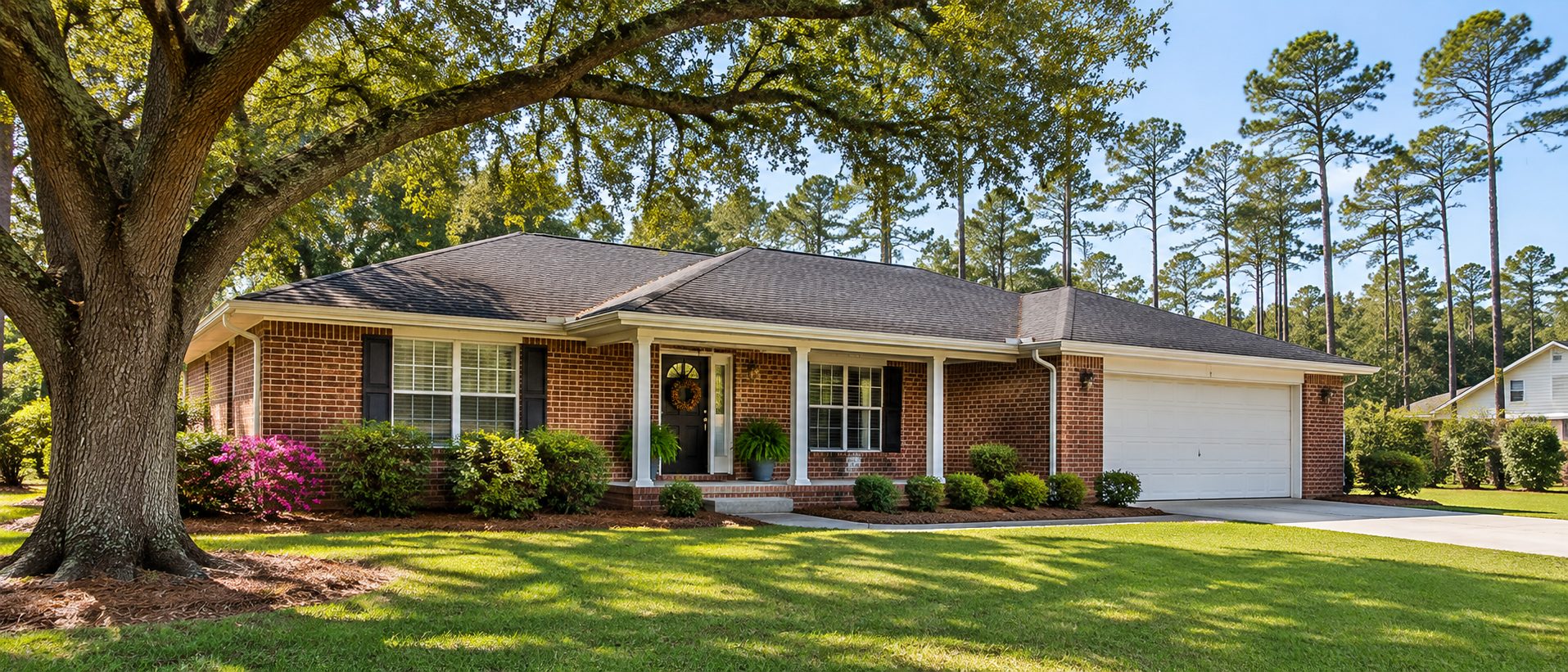
I’ve had plenty of homeowners ask me what their house is worth.
Sometimes they’ve been watching homes sell in their neighborhood. Sometimes they’ve looked up their address online and gotten a number that surprised them.
And sometimes they’re not even sure they want to sell. They’re just curious.
There’s nothing wrong with that.
But after nearly 40 years in real estate, I’ve learned that knowing what your property is worth takes a little more than looking at a number on a computer screen.
And it’s worth getting that number right before you make any big decisions.
An Online Estimate Is a Starting Point, Not the Whole Story
Online home values can be useful. They give homeowners a general idea of what properties in an area might be selling for.
But they don’t always know the things that make one house different from another.
They may not know you’ve replaced the roof, updated the kitchen, or taken particularly good care of the property.
They may not understand that your lot is larger than most in the neighborhood.
And they may not recognize something about the location that makes a difference to buyers.
I’ve seen two houses that looked very similar on paper but had good reasons to be valued differently.
That’s why I believe an online estimate should start a conversation, not settle one.
What Have Buyers Actually Been Paying?
One of the first things I look at when evaluating a home is what comparable properties have actually sold for.
Not just what sellers are asking.
What buyers have been willing to pay.
There’s a difference.
A house can be listed at a certain price for months without finding a buyer. That asking price doesn’t necessarily tell us what the market will support.
Closed sales give us a better foundation, but even those need to be considered carefully.
Was the home in similar condition?
Was the lot comparable?
Did it have a garage, workshop, or other improvements?
How recently did it sell?
Those details help us understand what buyers are responding to in the current market.
And when it comes to how pricing strategy affects offers and negotiations, getting the starting point right can make a real difference.
The Neighborhood Matters, but So Does the Individual Property
Crestview has a wide variety of homes.
You’ll find established neighborhoods with homes that have been there for decades, newer subdivisions, houses on larger lots, and properties that sit just outside town with a little more room around them.
Move farther along the I-10 corridor toward Milton or DeFuniak Springs, and you’ll find even more variety.
That’s one reason I don’t like treating every home in Northwest Florida as though it fits the same formula.
A well-maintained older home in an established neighborhood may appeal to a different buyer than a newer home in a subdivision.
A house on an acre may offer something a similar-sized house on a smaller lot doesn’t.
And a rural property with a workshop, fencing, or additional land brings another set of considerations.
I’ve written before about what holds value in Crestview homes, land, and location, because those differences matter when you’re buying—and they matter just as much when you’re selling.
Improvements Don’t Always Add What You Spent
This is something I want homeowners to understand.
You may have spent a good amount of money updating your home.
And those improvements may make it more comfortable, attractive, and appealing to buyers.
But the cost of an improvement and the value it adds aren’t always the same thing.
A new roof may address an important concern for buyers without increasing the price by the full cost of replacing it.
A beautifully remodeled kitchen may help a home stand out, but its value still has to make sense for the neighborhood.
And some improvements are worth making simply because they make the home better for you while you’re living there.
There’s nothing wrong with that.
I just don’t want someone making a major investment because they assume they’ll get every dollar back when they sell.
Acreage and Country Property Need a Different Look
When a home comes with several acres, determining value can become more complicated.
We have to look beyond the house.
How much land is usable?
Is it cleared, wooded, or a combination?
What improvements are on the property?
How is the access?
Are there fences, barns, workshops, or other buildings?
And what are buyers looking for in that particular area?
That’s why selling a home with acreage requires understanding the whole property, not simply adding a price to each acre.
This is an area where local experience is especially valuable. Rural properties don’t always have a neat group of comparable sales right down the street.
Sometimes you have to look a little farther and understand why one property is different from another.
Knowing Your Value Doesn’t Mean You Have to Sell
I think this is important.
You can find out what your home is worth without putting a sign in the yard.
Maybe you’re thinking about downsizing in a year or two.
Maybe you’re considering moving closer to family.
Maybe you’re wondering whether the equity you’ve built gives you some options.
Or maybe you simply want to know where you stand.
That’s all perfectly reasonable.
Understanding your property’s value can help you make plans without feeling rushed into a decision.
And if the time isn’t right to sell, that’s okay too.
My Honest Advice
If you’re curious about your home’s value, get an opinion based on the actual property and recent market activity.
Look at the comparable sales.
Consider the condition.
Understand what makes your location different.
And ask questions about how the value was determined.
A good real estate professional should be able to explain the reasoning behind a recommended price—not just hand you a number.
You deserve to understand what your property may be worth and why.
Final Thought
Your home is probably one of the biggest investments you’ve ever made.
But it’s also where you’ve lived your life, made memories, and taken care of the things that matter to you.
Both sides of that are important.
Before you decide whether it’s time to sell, start by understanding what your property is really worth.
Then you can decide what makes sense for you.
Janet Johnson
Where experience meets home.
